Interest in German & Germany
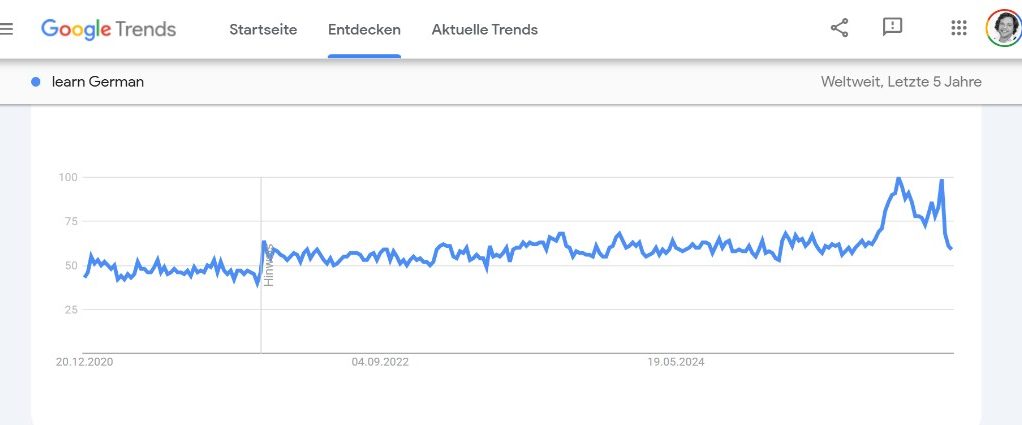
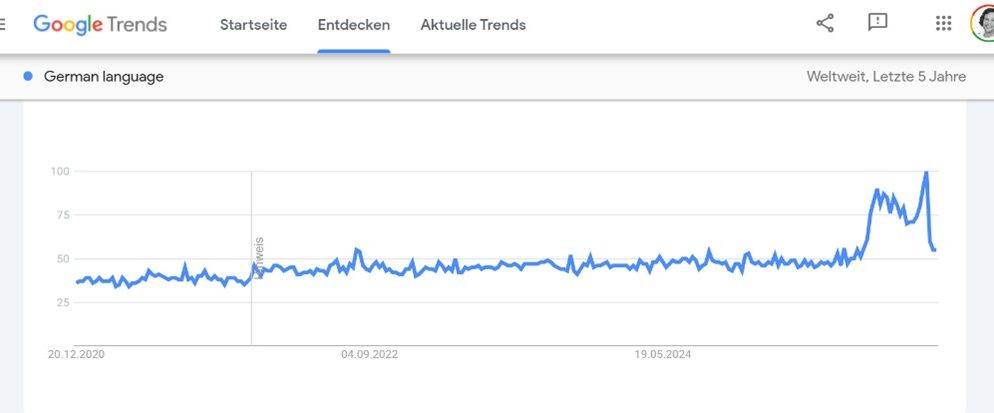
Even though German ranks behind Spanish and French in terms of popular languages, interest in German has increased significantly in recent years, especially since 2024.
Search: “learn German”
Worldwide – Last 5 Years – All Categories
Google Trends scales search interest on a 0–100 index, where 100 = peak popularity for the query over the selected time and region. A score of 50 means half as many relative searches as the peak, and 0 means too few to register. (Proportional values, not absolute counts).
Search: “German language”
Worldwide – Last 5 Years – All Categories
Estimate for 2025: Approximately 1.7 – 2.0 million people are learning German in major English-speaking countries worldwide. This means in context: That estimate represents roughly 11–13 % of the global total of ~15.4 million German learners.
1,168,380
German Students
United Kingdom 2024
34,700
GCSE German
United Kingdom 2024
421,735
German Students
United States 2024
14,500
German Teachers
United States 2024
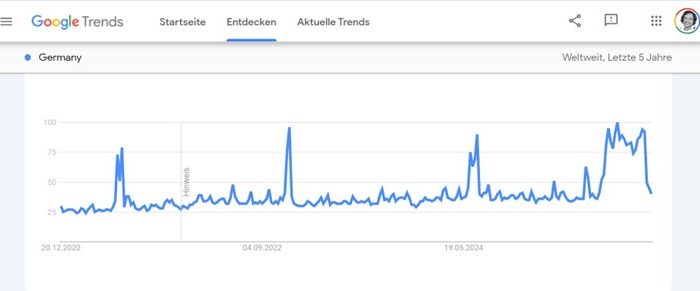
Search: “Germany”
Worldwide – Last 5 Years – All Categories
Even though the long-term average in terms of interest in Germany has not changed over the past five years, the statistics clearly show that there has been a significant increase in interest, particularly in the past year.
Travel to Germany
25,210
Participants registered for German Language Trips to Germany 2024
Market analysis by the Professional Association of German Language Schools and Language Travel Organisers (FDSV) 2024. Analysis primarily concerns language trips to Germany and learning German there. The figure only covers a sub-sector (language trips, not all language schools — i.e. it does not include regular integration or evening courses.

7.2 million
Overnight Stays of U.S. Tourists in Germany 2024
Source: Iamexpat.com/Deutschland Reisen. USA was second largest source market. UK with 5.3 million overnight stays was fourth-largest source market for overnight stays in Germany in 2024. Trend: After the slump caused by the pandemic in 2020/21, incoming tourism recovered strongly until 2024.

85.3 million
Overnight Stays of Tourists Worldwide in Germany 2024
Source: Iamexpat.com/Deutschland Reisen.

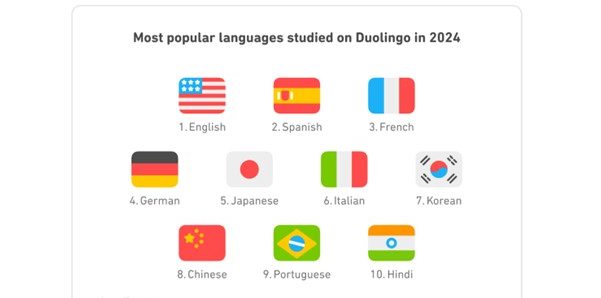
In 2024, German was the fourth most popular language on Duolingo worldwide
12,400,000
Worldwide Expats in Germany - 2025
Source: Umzug Ins Ausland Leitfaden/Private Berlin Tours/Wikipedia.
154,200
U.S. Expats in Germany - 2025
Source: Umzug Ins Ausland Leitfaden/Private Berlin Tours/Wikipedia. Note: The U.S. figure refers to American citizens who live permanently abroad.
35,000
U.K. Expats in Germany - 2025
Source: Umzug Ins Ausland Leitfaden/Private Berlin Tours/Wikipedia.
301,000
Indian Expats in Germany - 2025
Source: Umzug Ins Ausland Leitfaden/Private Berlin Tours/Wikipedia.
General Findings from Search Analyses
100 million native German Speakers. 100 million Reasons to learn German.
In the US and UK, Spanish is far more searched than other languages. In the US, the top language learning searches in 2023 included Spanish, English (for learners), Japanese and then German — indicating Germans are among the common follow‑ups but not the most popular.
In the UK and Canada, French and Spanish dominated, with German further down the list. The analysis also showed that while German is not top‑rank in overall searches, there is notable content and search engagement, e.g., TikTok content for #learngerman received 52 million views — which suggests niche but meaningful interest.
From a recent summary of the Deutsch als Fremdsprache weltweit data, the top countries by number of German learners in 2025 include:
- United Kingdom: ~1,168,380 learners
- United States: ~ 421,735 learners
Note: UK and USA are the two largest English-dominant countries on that list. Source: IamExpat in Germany. Combining those two gives roughly ~1.59 million German learners in the UK and USA combined.
There are also other predominantly English-speaking countries where German is taught in schools/universities (e.g., Canada, Australia, Ireland, New Zealand). These countries aren’t always individually listed in published rankings because their numbers are smaller compared with large European or Asian countries but based on typical patterns from past editions of the survey, they likely add a few hundred thousand learners collectively.
Estimate for 2025: Approximately 1.7 – 2.0 million people are learning German in major English-speaking countries worldwide. This means in context:
- That estimate represents roughly 11–13 % of the global total of ~15.4 million German learners.
- Most of these are in formal education programs (schools and universities).
- This doesn’t include self-taught learners using apps, online lessons, or informal study.
- It doesn’t account for bilingual communities where English isn’t the only language but is widely used (e.g., Singapore, India).
- Data availability varies by country and survey year and complete breakdowns aren’t always published.
- Source: Auswärtiges Amt (German Ministry of Foreign Affairs.
These numbers also don’t account for readers who are generally interested in languages, in other cultures and/or in Germany.
Competition Research
The 3 Bestsellers on the German Language
Volume Leader: German All-in-One for Dummies appears to have the widest distribution based on the sheer volume of user feedback.
#1 Best Seller in the "German Language Instruction" category on Amazon.
Review Volume: Consistently maintains 1,500+ global ratings across major markets (US/UK). In the book world, a review-count this high typically correlates to tens of thousands of copies sold.
Series Power: The "For Dummies" brand has sold over 250 million books globally. Being the primary German title in this massive ecosystem guarantees it the widest distribution.
Longevity: Both The Everything Learning German Book and Practice Makes Perfect rely on their "Series" reputation. Their sales are driven by institutional trust rather than viral hits.
Practice Makes Perfect is the #2 Best Seller in German Language Instruction.
Editions: Now in its "Premium Second Edition," which signals strong enough continued sales to justify updated print runs.
Context: It often trades the #1 spot with the For Dummies book depending on the week, indicating they are neck-and-neck in sales figures.
German All-in-One For Dummies
High Volume. The "For Dummies" series is a mass-market staple. The high review count suggests it is likely the volume leader in this category.
~1,500+ Reviews Amazon
Estimated Wholesale Pricing: $19.00 – $22.80
The Everything Learning German Book
Strong Steady Seller. Now in its 3rd Edition, indicating consistent enough sales over years to warrant updated print runs.
~240–300+ Ratings Goodreads
Estimated Wholesale Pricing: $10.00 – $12.00
Practice Makes Perfect: Complete German
Educational Staple. Part of a massive series by McGraw-Hill. The existence of a "Premium" and "Second" edition confirms it met sales targets to justify republication.
„Premium Second Edition" Penguinbookshop
Estimated Wholesale Pricing: $20.00 – $24.00
The Niche Book that proves the Demand for Entertaining Learning
High Engagement: Café in Berlin has fewer ratings but significantly higher sentiment (near 5 stars), suggesting that while fewer people buy it compared to a textbook, nearly everyone who buys it finishes and likes it.
100+ ratings on niche platforms (like LearnOutLive) and consistently high rankings in the "German Short Stories" sub-category.
While it may not match the raw mass-market volume of For Dummies, it dominates the specific niche of "German Fiction for Beginners," often outselling traditional textbooks in that sub-sector.
Café in Berlin (Dino lernt Deutsch)
Niche Bestseller. While having lower total volume than the big textbooks, it dominates the "German Storytelling" niche with a very high rating average (4.9/5) Google.
~125+ Ratings (per platform) Learnoutlive
Estimated Wholesale Pricing: $5.50 – $6.50
Conclusion: Competitor Analysis
Infotainment at its Best
ConclusionThe long-term successes of the ‘German For Dummies’ and ‘Practice Makes Perfect’ titles confirm a continuing interest in learning German. At the same time, the success of ‘Café in Berlin’ shows that most learners prefer to be taught in an entertaining way. The influence of the ‘’For Dummies’ design as a series should also be taken in consideration.
‘That Damn German Language!’ effortlessly closes the gap between classical German textbook and entertaining popular language ‘science’ book, offering to an estimated audience of 1.6 million readers interested in the German language (US & UK alone) a never-before-seen way to engage with German as well as with the German people, culture and society.
Whether ‘That Damn German Language!' appears in one volume with further books in the series to follow in the future (e.g. ‘On Grammar’, etc.), or this manuscript will be published in three parts, which will then be supplemented with further instalments in the series - in both cases ‘That Damn German Language!’ scores highly in all categories in which the four bestsellers in the German language section only excel individually - and decidedly beyond that:
- Hard data and educational facts/input (incl. tables & explanations)
- Entertaining, amusing and light-hearted (incl. images & stories)
- Serialisation
- Insider-knowledge on German history, society and culture
- Practical tips & tricks for German-learners, tourists and expats
Comparable Titles
- Mother Tongue by Bill Bryson
- The Etymologicon by Mark Forsyth
- Eats, Shoots & Leaves by Lynne Truss
''That Damn German Language!' shares the humour and accessibility of these titles but stands out by focusing on German, written in English.
Possible Marketing Initiatives
There are a wide range of marketing opportunities, and I’m generally more than happy to help with them. Here are just three initial ideas.

In-Person Appearances
I have many years’ experience in public speaking and presenting (including pitch presentations to advertising clients and as a tasting master in my own whisky shop) and am always happy to be available for topic-specific talks, presentations and readings.

Website &
Blog
A website can be created on which the author regularly publishes blog posts and news, which provides further background information on the author and the subject, and which serves as a link to online retailers.
Merchandising Designs
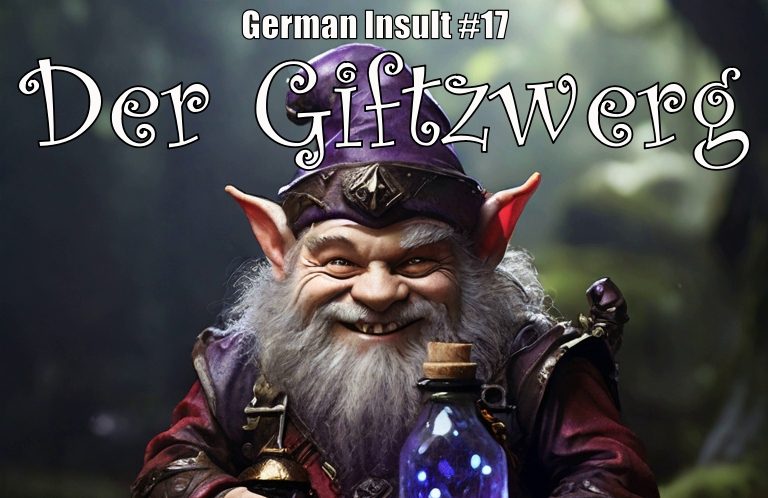
The images in the book offer an ideal opportunity for merchandising designs (on T-shirts, mugs, water bottles, etc.). For example, one could launch a range featuring “German insults” and their English translations, as well as a range with designs from the chapters “Seemingly Senseless Sounds of Significance” and “Mach hinne! – German Quick-Talk”
The Title

Is the book title 'That Damn German Language!' too extreme?
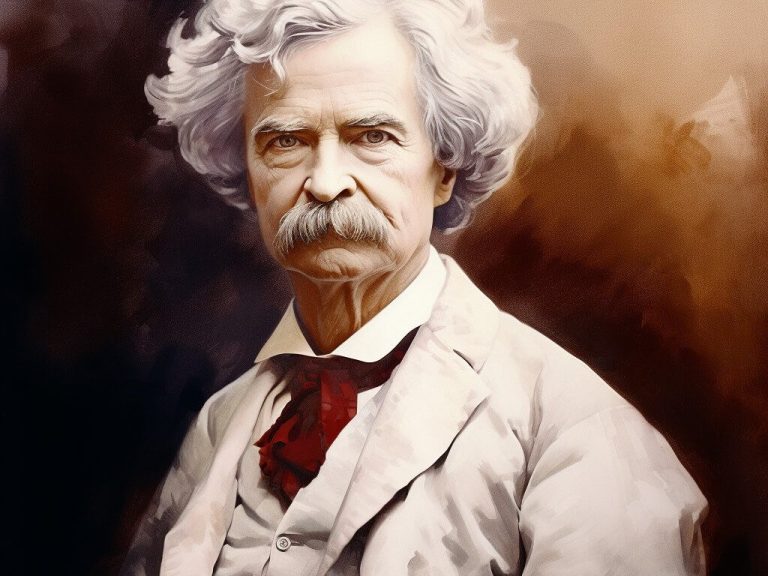
The title is a deliberate reference and homage to Mark Twain’s famous essay ‘That Awful German Language’, whilst addressing a modern audience in the linguistic style of today. At the same time, the slightly ‘cheeky’ tone is immediately appealing and draws interested readers in emotionally. What’s more, the title already gives a good idea of the book’s style – relaxed, lively, modern and, indeed, cheeky.
Having said all that, the title isn’t set in stone and I’m always open to suggestions.














The Images
An integral part of the book
The images are inextricably linked to the text and often serve as illustrations of the points made in the text, though in some cases they are purely for entertainment. Through small hidden ‘Easter eggs’ and additional information that complements the text, the images also add a further dimension to the text and make it more accessible.
It is also possible to use individual images from the book as merchandise, for example printed on T-shirts, hoodies or posters with a German headline and an English subheading.
.All images were created by me using leonardo.ai and are available in both edited and unedited versions in JPEG format.